

August 26, 2026
Common Restorative Dentistry Procedures to Repair Damaged Teeth
Expert Care at Lakeside Dental in Lenoir City
At Lakeside Dental in Lenoir City, one of the most rewarding parts of what we do is helping patients save their teeth.
I’m Dr. Joseph Blalock, owner and founder of Lakeside Dental, and over the last decade I’ve completed more than 500 hours of continuing education focused specifically on restorative dentistry. I have invested that time because restorative dentistry is about more than simply fixing teeth. It is about preserving your natural smile, protecting your long-term oral health, and restoring your confidence.
If you have chipped a tooth, noticed discoloration, or started feeling sensitivity, this guide will walk you through the most common restorative dentistry procedures and explain how we determine the best treatment for your situation.
What Is Restorative Dentistry?
Restorative dentistry means restoring damaged teeth to proper function and appearance.
Teeth can become damaged for many reasons, including:
- Cavities and tooth decay
- Cracks or fractures
- Worn enamel from grinding
- Trauma or injury
- Large, aging fillings breaking down
- Biting into something unexpectedly hard
Our goal at Lakeside Dental is always to save your natural tooth whenever possible.
The sooner we diagnose and treat a problem, the better the outcome. Early treatment usually means simpler procedures, less cost, and more predictable long-term success.
Signs You May Need Restorative Dentistry
Many dental problems begin quietly. By the time pain shows up, the issue may already be advanced. That is why it is important to pay attention to subtle changes.
1. A Different Texture
If your tongue keeps catching on a rough edge, sharp spot, or uneven surface, that may indicate a chipped or fractured tooth. Even small changes in texture deserve evaluation.
If something feels different, there is often a reason.
2. Discoloration
A tooth that changes color from bright white to yellow, gray, or darker than surrounding teeth may have internal damage or deep decay. Discoloration is sometimes overlooked, but it can signal that something is happening beneath the surface.
3. Changes in Shape or Length
If a tooth appears shorter, longer, or more worn than before, it may be breaking down from grinding or decay.
4. Pain or Sensitivity
Sensitivity to hot, cold, pressure, or chewing can indicate:
- A cavity
- A crack
- An exposed nerve
- Infection
Unfortunately, by the time pain appears, treatment may be more involved than if the issue had been caught earlier.
How We Determine the Right Treatment
Every restorative case starts with a thorough diagnosis. We look at:
- What caused the damage
- How much healthy tooth structure remains
- Whether the nerve is involved
- The overall strength of the tooth
From there, we recommend the most conservative and effective option available.
Let’s walk through the most common procedures we provide at Lakeside Dental.
Tooth-Colored Fillings
When damage is small, such as an early cavity or minor chip, a filling is often the ideal solution.
We remove the decayed or damaged portion of the tooth and replace it with a strong, biocompatible white material that blends naturally with your enamel.
Fillings are best for:
- Small cavities
- Minor fractures
- Replacing old metal fillings
- Early-stage decay
They preserve most of your natural tooth and restore strength without altering your smile’s appearance.
Dental Crowns
Crowns are one of my favorite restorative procedures because of the transformation they provide.
A crown is a custom porcelain restoration that covers the entire tooth. It replaces weakened enamel and restores both strength and appearance.
Crowns are typically recommended when:
- A cavity is too large for a filling
- A tooth is cracked
- A tooth has undergone root canal treatment
- The structure is significantly weakened
When a patient comes in with a dark, breaking-down tooth and leaves with a strong, natural-looking crown, it is incredibly satisfying. It feels like giving that tooth a second life.
Inlays and Onlays
Sometimes a tooth is too damaged for a filling but does not require a full crown. In those cases, we may recommend an inlay or onlay.
An inlay fits within the grooves of the tooth.
An onlay extends over one or more cusps.
These custom porcelain restorations preserve more natural tooth structure than a crown while offering greater durability than a filling.
Same-Day Porcelain Restorations
At Lakeside Dental, we use advanced digital technology to create many porcelain restorations right here in our Lenoir City office.
This allows us to design and fabricate:
- Crowns
- Inlays
- Onlays
- Some veneers
Often in a single visit.
That means no temporary crowns and no waiting weeks for a lab. It makes the process more convenient and efficient for our patients.
3D Printed Temporary Solutions
We also use 3D printing technology to create temporary restorations when needed.
If you are on a tight schedule or need a quick interim solution before your final restoration, this technology allows us to provide high-quality temporary care quickly and comfortably.
Our investment in technology is not about being flashy. It is about improving your experience and outcomes.
Why Timing Matters
The longer a damaged tooth goes untreated, the higher the risk of serious complications.
A small crack can spread.
A minor cavity can grow deeper.
A weakened tooth can fracture beyond repair.
The sooner we address the issue, the greater the likelihood we can save your natural tooth.
Saving your tooth is always the goal.
If You Have Been Putting Off Treatment
There are many reasons patients delay restorative care:
- Anxiety
- Financial concerns
- Busy schedules
- Past dental experiences
At Lakeside Dental, our approach is simple. We ask how we can make it easier for you.
If you feel anxious, we can talk through comfort options.
If finances are a concern, we can discuss phased treatment or arrangements.
If your schedule is tight, we will work with you to find solutions.
We want to remove barriers so you can protect your oral health.
Frequently Asked Questions About Restorative Dentistry
Is restorative dentistry painful?
Modern restorative dentistry is far more comfortable than most people expect. We use effective local anesthesia to numb the area thoroughly before beginning treatment. Most patients feel pressure but not pain during procedures like fillings or crowns.
After treatment, some mild sensitivity is normal, especially with hot or cold foods, but it typically resolves within a few days. We also provide clear aftercare instructions and are always available if you have concerns.
Many patients tell us afterward that the experience was much easier than they anticipated.
How long do dental crowns last?
Dental crowns are designed to be durable and long-lasting. With good oral hygiene and regular dental visits, a crown can often last 10 to 15 years or even longer.
Longevity depends on several factors:
- Your bite and chewing habits
- Whether you grind your teeth
- Your daily brushing and flossing routine
- Regular professional cleanings
We also carefully design and place crowns to ensure proper fit and function, which plays a major role in their lifespan.
Can a cracked tooth really be saved?
In many cases, yes. If the crack is limited to the outer portion of the tooth and has not extended into the root, we can often restore it with a crown or other protective restoration.
However, timing is critical. The longer a cracked tooth remains untreated, the greater the chance the crack will deepen. If it extends into the root, the tooth may require more advanced treatment or could become non-restorable.
That is why early evaluation is so important.
What happens if I ignore a damaged tooth?
Ignoring a damaged tooth rarely leads to improvement. Cavities continue to grow. Cracks expand with normal chewing pressure. Infection can develop inside the tooth.
Eventually, what could have been treated with a simple filling may require a crown, root canal, or even extraction.
Addressing the issue early almost always results in a simpler and more affordable solution.
How do I know which treatment is right for me?
The only way to determine the appropriate treatment is through a thorough examination and diagnostic imaging. During your consultation at Lakeside Dental, we will evaluate the tooth, explain what we see, and walk you through your options.
We believe in clear communication. You will understand why we are recommending a particular procedure and what alternatives may exist.
Let’s Save Your Smile
If you suspect you need restorative care, or if you simply want peace of mind, we encourage you to reach out.
At Lakeside Dental in Lenoir City, you can:
Text our office and receive a response from a real team member
Call us directly at (865) 635-4999
We are happy to answer your questions and schedule a consultation to discuss your restorative needs.
The sooner we address a damaged tooth, the better the outcome.
We look forward to helping you restore and protect your smile.
Explore more blogs
Our Practice
Cohort1
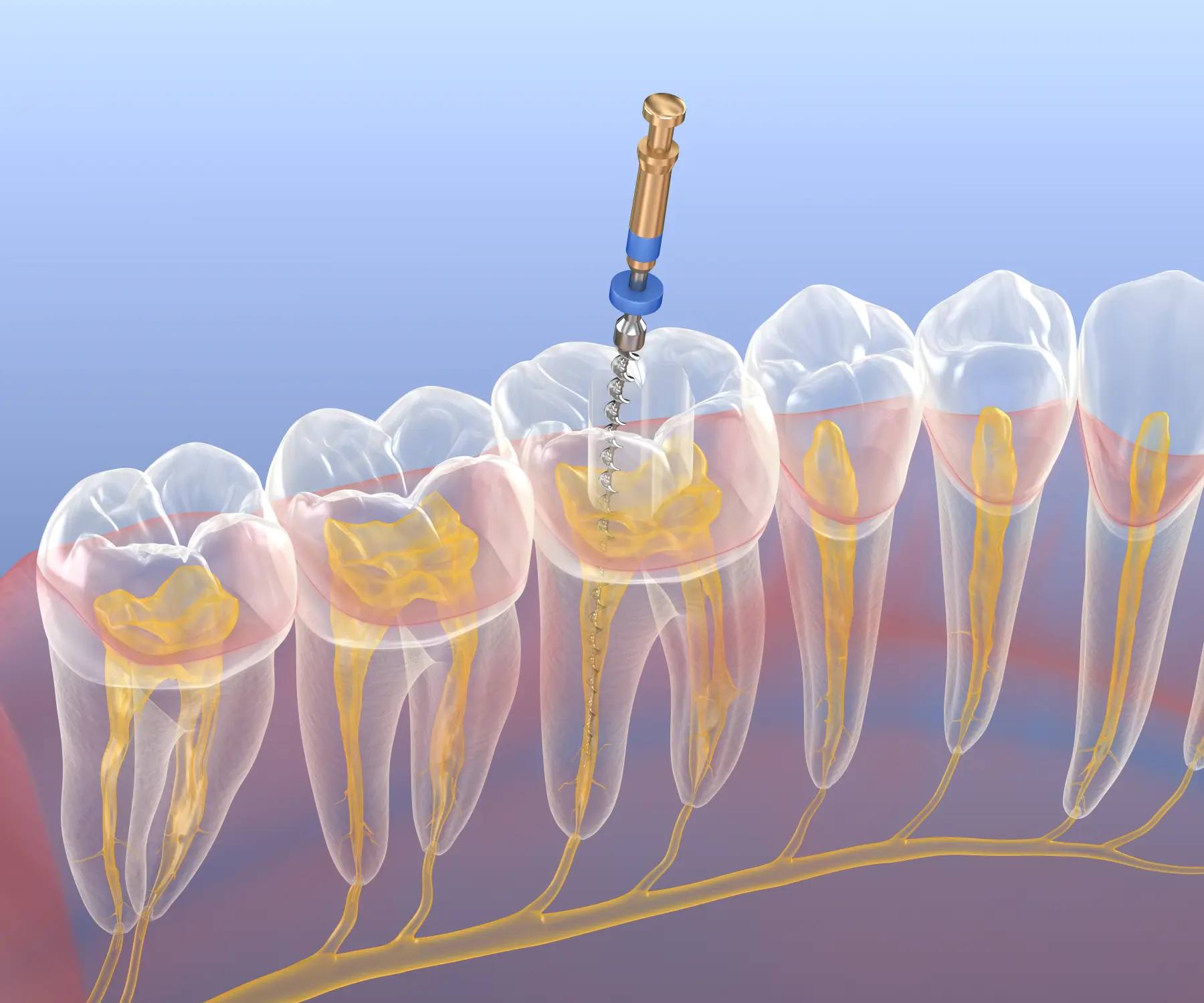
Root Canal Therapy Explained: Myths, Benefits, and Recovery
Does the thought of root canal therapy fill you with worry? You’re not alone. Many people feel hesitant when their dentist mentions this procedure.
Cosmetic Dentistry
Cohort1
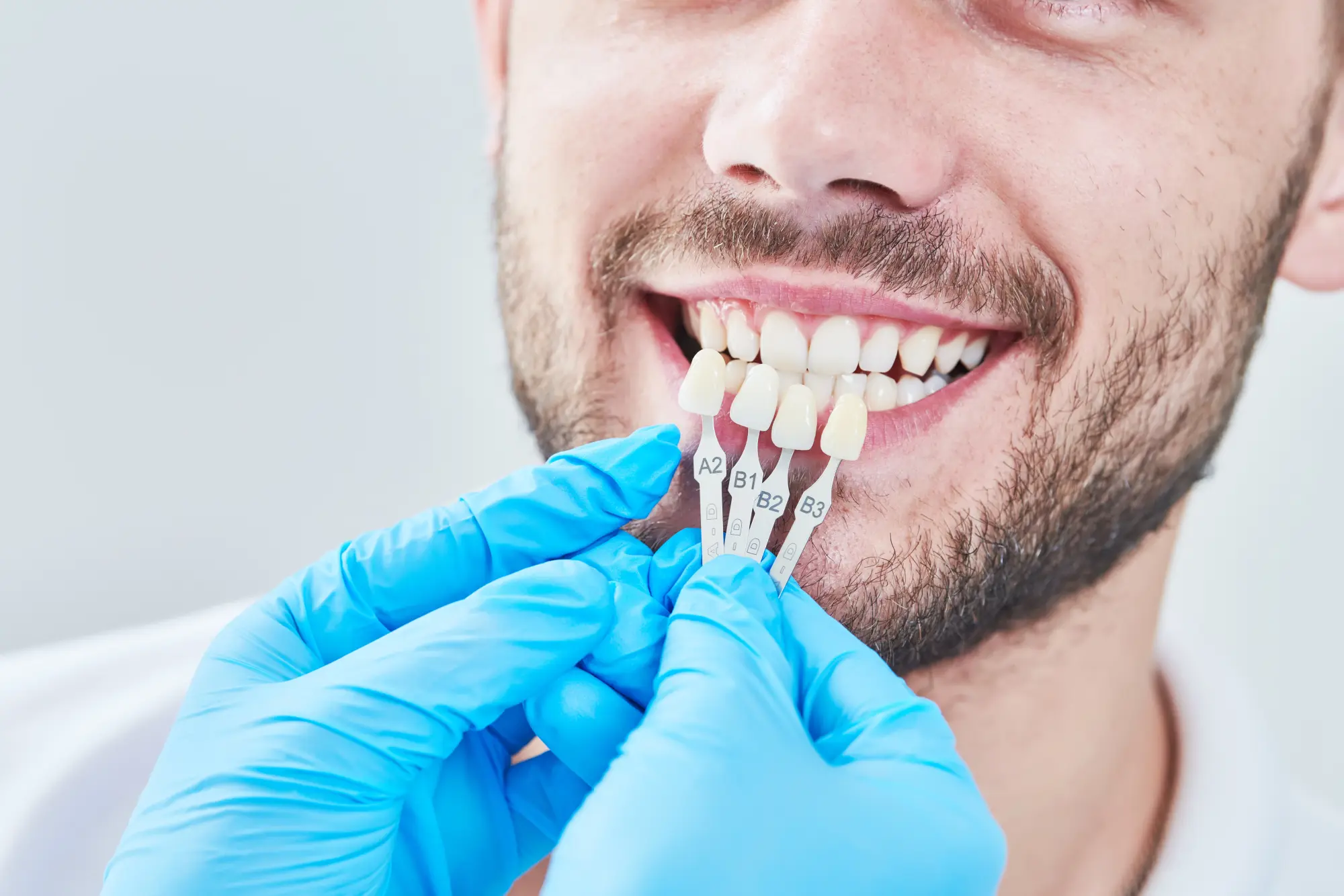
How to Take Care of Veneers
When we help someone who once covered their mouth in photos start smiling freely again, it’s incredibly rewarding.
Surgical Dentistry
Cohort1
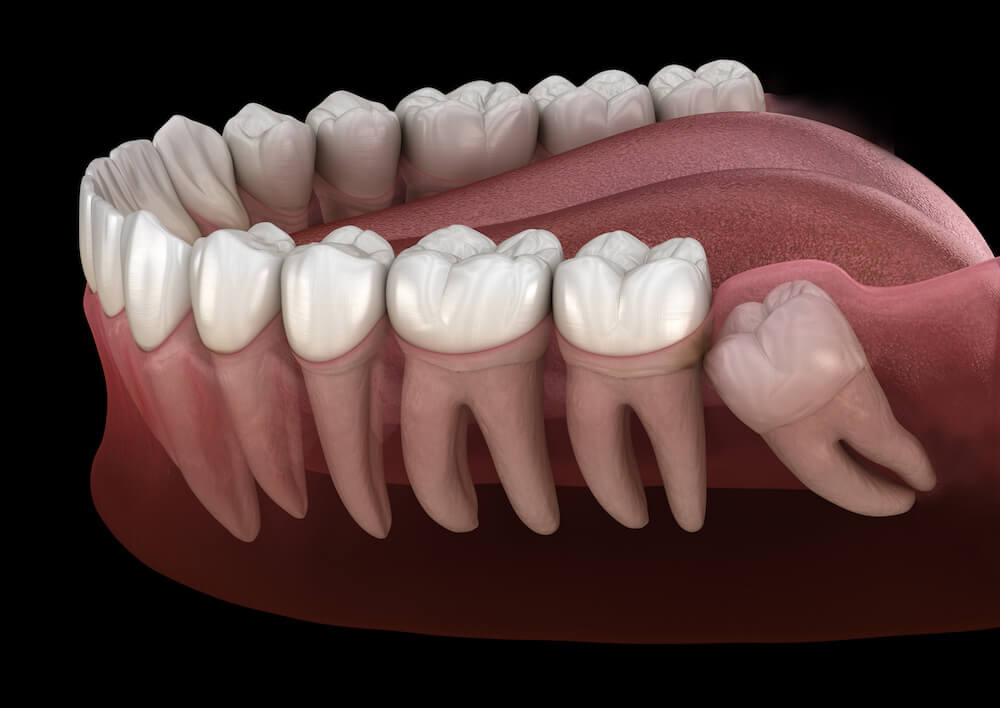
Can Wisdom Teeth Fall Out Naturally? Answering Top FAQs About Wisdom Teeth
In this blog, we’ll answer a few of the most frequently-asked questions about wisdom teeth, and help you learn more about this mysterious third set of molars.
Copied to clipboard!