

September 21, 2026
What Causes Tooth Sensitivity and How Can You Treat It?

If you've ever winced taking a sip of iced coffee or felt a sharp jolt biting into something sweet, you already know how disruptive tooth sensitivity can be. It has a way of showing up at the worst moments and making something as simple as eating or drinking feel like something you have to plan around. At Lakeside Dental, we hear about it constantly, and one thing Dr. Joseph Blalock wants every patient to know is this: sensitivity is not something you just have to accept.
Whether it came on suddenly after something happened while you were eating, or it's been quietly building for months without a clear cause, tooth sensitivity is your body's way of signaling that something is worth a closer look. The good news is that once we identify where it's coming from, there's almost always a way to help.
That's what this post is all about. We want to walk you through why tooth sensitivity happens, what tends to make it worse over time, and what you can actually do about it, starting today.
Tooth Sensitivity Is More Common Than You Think
Sensitivity is one of the most common complaints we hear in our office, and it affects people of all ages and backgrounds. The experience itself can vary widely. For some patients, it's a sharp, brief zap that happens only with certain temperatures. For others, it's a dull, lingering ache that seems to come and go without any obvious trigger.
What causes it can vary just as much. Sometimes it stems from something specific, like a fractured tooth or a crack that happened while chewing something hard. Other times it develops gradually from a chronic condition that slowly progressed over months or even years before it became noticeable. In either case, the discomfort is real, and it deserves real attention.
The most important thing we can tell you is not to wait. The sooner you come in and let us take a look, the sooner we can figure out exactly what's going on and put a plan together to fix it.
The Everyday Habits That Thin Your Enamel
A lot of the sensitivity we see at Lakeside Dental traces back to things patients are consuming regularly, often without realizing the impact. Sugary drinks, acidic beverages, citrus juices, sodas, sports drinks, and even sparkling water can gradually wear down the outer layer of your teeth over time. That outer layer is called enamel, and it's the primary defense your teeth have against sensitivity.
Here's the connection: enamel acts as a protective barrier over the more sensitive inner layers of your tooth. As that enamel thins, those inner layers become more exposed, and the nerve endings inside become more reactive to temperature, pressure, and acidity. The thinner your enamel gets, the higher your risk for sensitivity.
None of this means you have to give up everything you enjoy. Dr. Blalock's approach is always practical and patient-centered: enjoy these things in moderation, rinse with water after consuming acidic drinks, and follow the recommendations your dentist gives you based on your specific situation. Small adjustments can make a meaningful difference over time.
"It's Just Part of Getting Older" and Other Myths
One of the most common things we hear from patients is some version of "I figured this was just normal at my age." And while it's true that some degree of sensitivity can occur naturally as we get older, the assumption that it should simply be tolerated is one we want to gently push back on.
If you feel something unusual in your mouth, whether that's sensitivity to temperature, a toothache, or discomfort that seems to come and go, that's worth investigating. A lot of dental conditions and diseases progress slowly and quietly, never causing obvious pain until they've reached a point where treatment becomes more complicated and sometimes more costly. We've seen it happen many times.
That's exactly why regular cleanings and checkups matter so much. Preventive care gives us the opportunity to catch these issues early, before they become painful, before they become urgent, and before they limit your options. If something is starting to develop, we want to find it while it's still easy to address.
New or worsening sensitivity is never something to dismiss. Even if a tooth has never bothered you before, a sudden change in how it feels is a signal worth taking seriously. An X-ray and a quick exam can tell us a lot, and peace of mind is always worth the visit.
Why Finding the Source Is Everything
Here's something that might seem obvious but is actually the most important part of treating sensitivity: before we can make it go away, we have to know exactly where it's coming from.
Sensitivity can have several different causes, and the right treatment depends entirely on identifying the right source. Treating symptoms without understanding the underlying cause is like putting a bandage over something that needs stitches. It might provide temporary relief, but it doesn't solve the problem.
At Lakeside Dental, Dr. Blalock and our team use advanced technology to pinpoint the source of your sensitivity quickly and accurately. We're not guessing. We're using the tools and diagnostic methods available to us to get a clear picture of what's happening so we can get you feeling better as efficiently as possible. That process, identifying the etiology, as we say in dentistry, is the foundation of everything that comes after it.
What Treatment Can Look Like
The path to resolving tooth sensitivity looks different for every patient, and that's okay. Sometimes the starting point is simple changes at home. Switching to a toothpaste formulated for sensitive teeth, cutting back on acidic beverages, or adjusting your brushing technique can all make a noticeable difference. If those changes help, great. If they don't, that's important information too, and it means it's time to come in.
In-office treatment depends on what we find. It might be something straightforward like a desensitizing treatment applied to the affected tooth. It might mean addressing a crack or fracture. It might mean treating underlying gum recession or decay that's exposing sensitive root surfaces. Whatever the cause, we'll walk you through your options and make a plan that makes sense for your situation.
What we don't want is for patients to go on suffering in silence, changing how they eat, how they brush, or what they let themselves enjoy because their teeth have been bothering them for so long. We hear that story regularly, patients who have spent months or years adjusting their lives around their tooth pain rather than addressing it. You don't have to do that. There are ways to help, and we want to find the right one for you.
You Don't Have to Live With It
Tooth sensitivity is incredibly common, but it is not something you're stuck with. Whether your sensitivity is mild and occasional or has been affecting your daily life for a while, the right starting point is always the same: come in, let us take a look, and let's figure out what's going on together.
At Lakeside Dental, Dr. Blalock and our team are here to help you get out of pain and get back to living normally. No more planning meals around what your teeth can handle. No more dreading your morning coffee. No more pushing through discomfort and hoping it goes away on its own.
If you're ready to take that first step, the easiest way to reach us is to grab your phone and send us a text at 865-635-4999. A real person will get back to you within one to two days, often sooner, to get you scheduled. We can't wait to meet you.
Explore more blogs
Our Practice
Cohort1
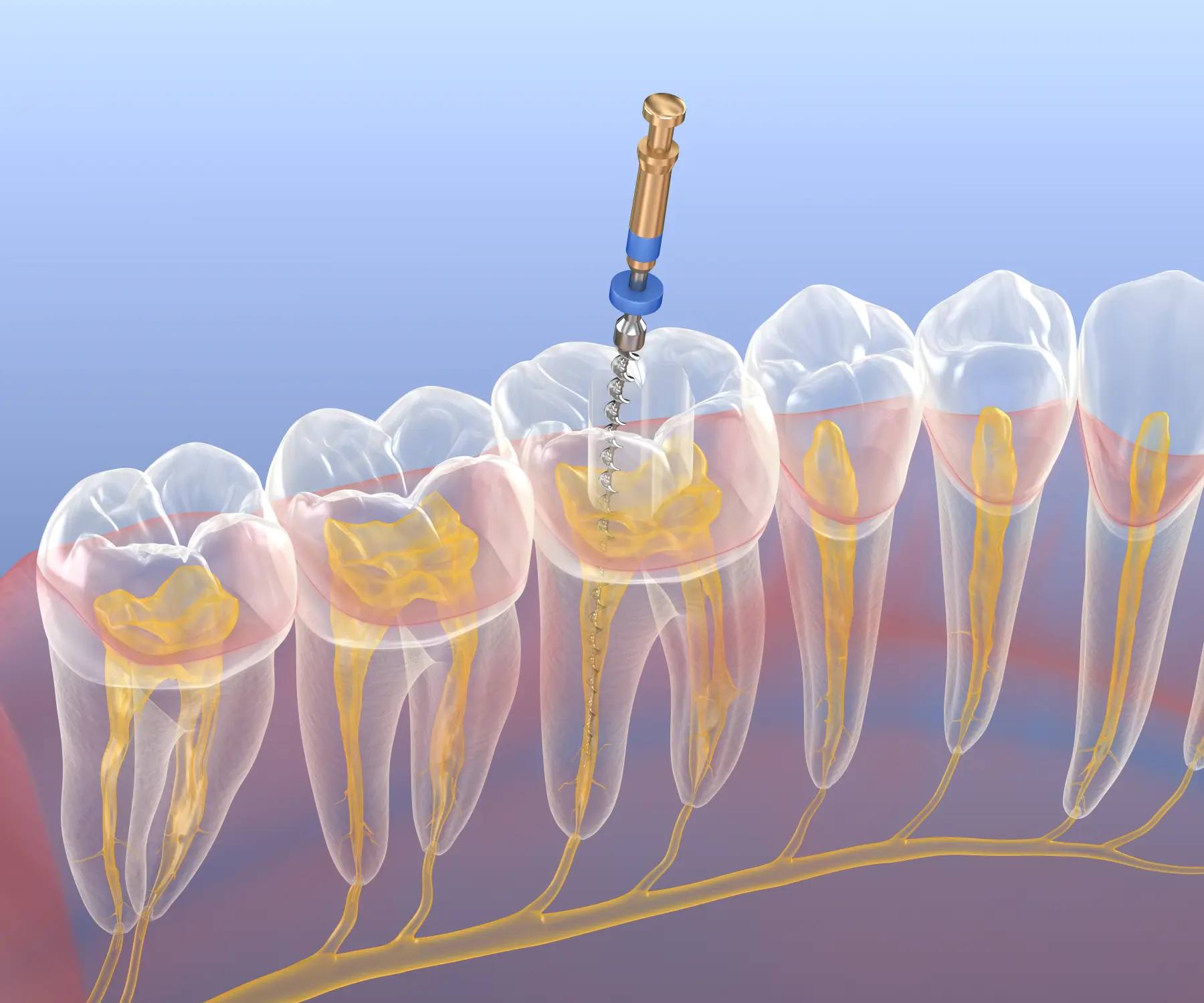
Root Canal Therapy Explained: Myths, Benefits, and Recovery
Does the thought of root canal therapy fill you with worry? You’re not alone. Many people feel hesitant when their dentist mentions this procedure.
Cosmetic Dentistry
Cohort1
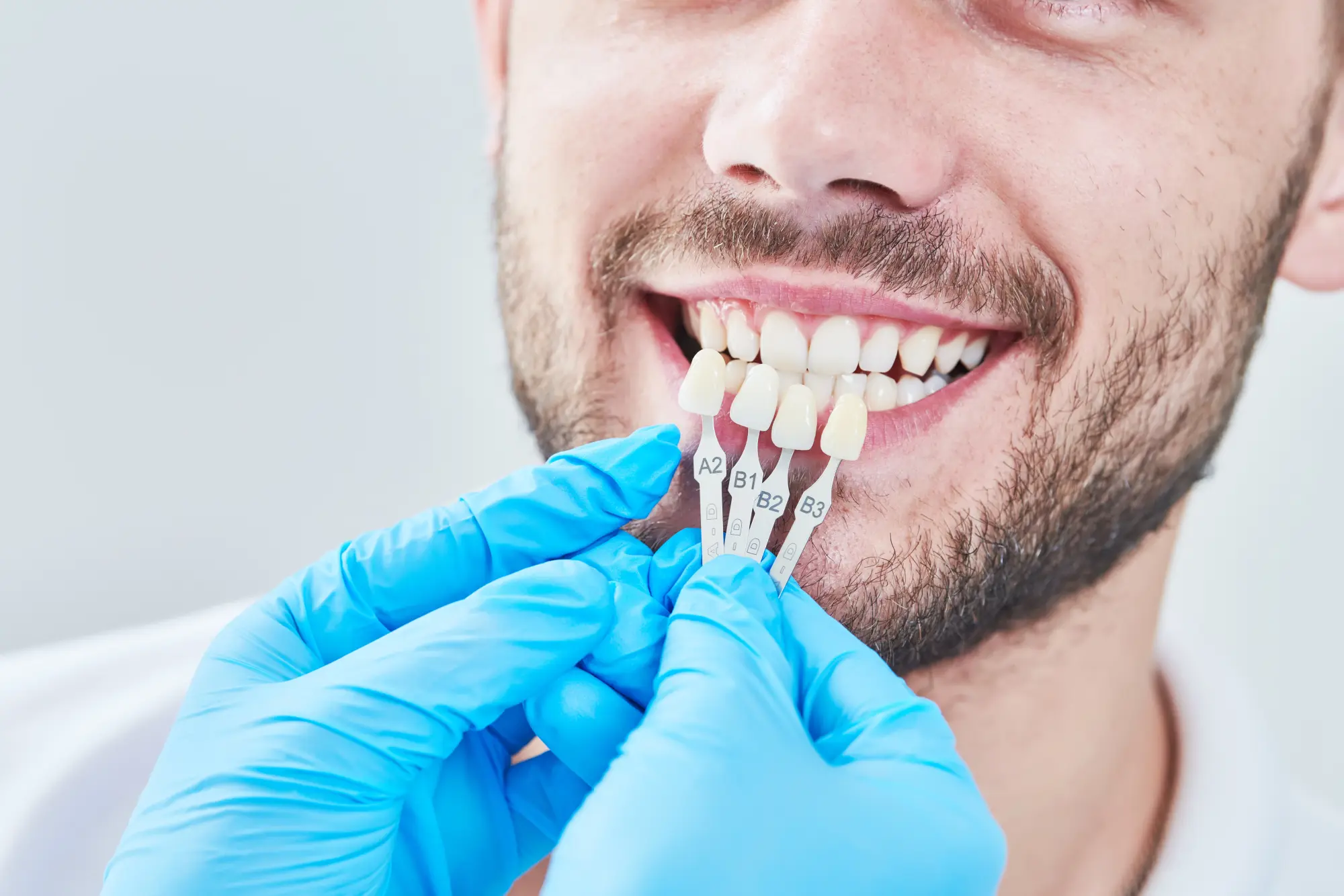
How to Take Care of Veneers
When we help someone who once covered their mouth in photos start smiling freely again, it’s incredibly rewarding.
Surgical Dentistry
Cohort1
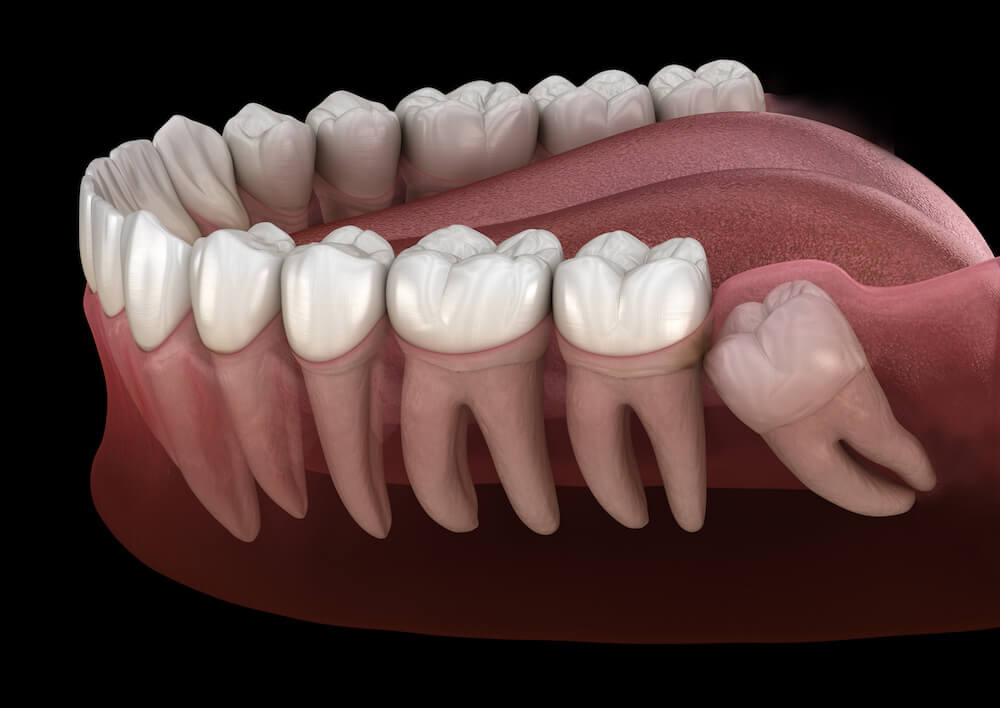
Can Wisdom Teeth Fall Out Naturally? Answering Top FAQs About Wisdom Teeth
In this blog, we’ll answer a few of the most frequently-asked questions about wisdom teeth, and help you learn more about this mysterious third set of molars.
Copied to clipboard!